
After 10 years of living in Oregon, I’m still unprepared for the regional depression that hits every mid-February. A thick, gray blanket drowns the happiness of the western Cascades starting in the fall. At first, it’s a reprieve from the dry late summer, but as weeks trickle into months, folks begin to tuck into their houses to wait out the most colorless, energy-sapping time of year.
Our seasons are mild compared to most of the US, but I’m a softie, raised in the perpetual sunshine of Southern California. I have accumulated a massive coat collection (which helps), but there’s nothing like the sun kissing my skin in the depths of winter.
I yearned for something to look forward to when the days were short, wet, and miserable. Growing up, I spent relaxed weeks in Baja California with my friend’s family. Back in the 1990s, we didn’t even need passports. I first visited the Yucatán Peninsula in 1993 and climbed Chichén Itzá as a child when it was still possible to do so. I’ve also been learning Spanish since I can remember.
In early 2020, I booked a month in Oaxaca, Mexico—my inaugural Sabaticán—a portmanteau I coined combining the Spanish words “annual” and “sabbatical.” (It’s more of a break from the winter than from my job, as I’ve been working remotely since 2014.)
My friends Lee and Maytak joined me in Oaxaca City, which is renowned for its incredible cuisine and strong indigenous presence. It boasts gorgeous colonial architecture while still feeling grounded in the ancestral traditions of the Mixtecs, Zapotecs, and other groups. You can hear several languages spoken on the mural-lined streets, dotted with small restaurants and shops selling jewelry, woodblock prints, and vibrant tapestries. We took day trips to taste mezcal, learn about the weaving of Teotitlán del Valle, and explore the turquoise pools along the cliffs of Hierve el Agua.
Then, I flew down to Puerto Escondido and stayed in (formerly sleepy) Playa Carrizalillo—the perfect cove to learn how to surf. The streets were lined with mango trees, and I would pop down to Zicatela or La Punta when I wanted to watch big wave surfers and beach volleyball or enjoy some nightlife.
Since that trip in February and March of 2020, I’ve visited 12 of Mexico’s 32 states (technically 31 plus Mexico City). I have many local recommendations from Mexican travelers that I keep in a file on my phone. Each year, I try to visit 2-3 new cities and a remote beach location, spending 1-2 weeks in each spot.
If you’re an American considering visiting Mexico, you’re in for an absolute delight. It’s a very family- and community-oriented culture. I have always felt at home there because of the warmth and generosity of the locals. Although there are significant challenges—including the power of the cartels—I have never felt unsafe in my years of traveling solo throughout the country.
I’ve organized my recommendations into good starter cities and regions, as well as my personal favorites among cities, smaller towns, and beach destinations. My top favorites of each group are bolded with asterisks*.
Don’t Speak Any Spanish and Want Somewhere Easy? Try These
Some travelers say they want an “authentic” Mexican experience, but do they? Sometimes folks just want to sit poolside with a margarita and enjoy frictionless experiences in their native tongue. No judgment! Along with Tulum, Puerto Vallarta, Sayulita, and Cabo San Lucas, here are some beautiful places to consider that are loaded with English-speaking locals and ex-pats:
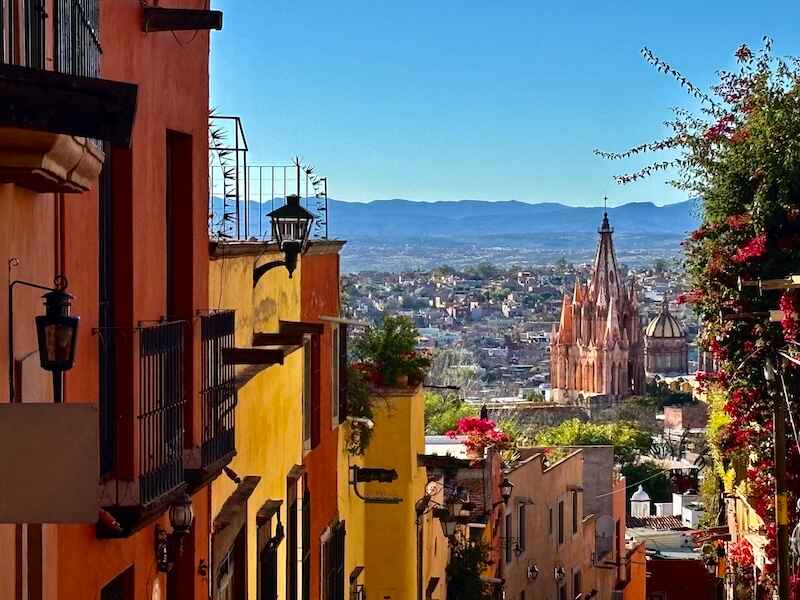
- San Miguel de Allende (“St. Mike’s”) – The art and architecture are stunning. The willingness of the long-time resident gringos to learn Spanish? Not so stunning.
- Mérida* – Among the bright colored colonial facades of this capital of Yucatán state, you may notice graffiti messages such as “Gentrifica esta” and “Fuera pinche gringos.” Despite the crowds, it remains one of my favorite Mexican cities. It’s also an excellent base from which to explore Uxmal—one of the best-preserved ancient Mayan cities.
- Condesa or Roma (Mexico City) – Pretty neighborhoods, but the abundance of American digital nomads has fed a strong anti-gentrification movement.
- Puerto Escondido* – It’s been many years since I visited, and they say there are more yoga studios and juice bars here per capita than anywhere in Mexico (apart from Condesa and Roma, of course).
- Ajijic – I spent an afternoon in this artsy town on Lake Chapala. It reminded me of a Mexican version of Celebration, Florida—polished and colorful but a bit sterile.
- Huatulco – If you enjoy gorgeous coastal rock formations and Canadian snowbirds, this town is for you!
The Big Cities I Recommend
I haven’t hit all of Mexico’s major cities, but these are my current favorites:
- Guanajuato* – As the birthplace of Diego Rivera, you can see what inspired his artistry. The town’s zocalo and famous university sit in the bed of a valley, while colorful neighborhoods rise up into the hills and can be reached by one of the more than 3,000 callejones (narrow alleys and staircases). Its multi-tiered beauty is well worth a visit, even if the locals joke that there are no good restaurants.
- Guadalajara* – Mexico’s second-largest city somehow feels like an easy place to make friends. I’m not usually drawn to mega-metropolitan areas, but I could totally live here. Also, the state of Jalisco is the origin of many things we associate with the country at large: mariachi, the OG hat dance, the rodeo, and tequila.
- Querétaro – This baroque UNESCO World Heritage City is less touristy than the others, and is the perfect jumping-off point to the Pueblos Mágicos of Peña de Bernal and Tequisquiapan.
- San Luis Potosí – This charming city has an old prison that they converted into an art museum and cultural center.
- Morelia* – Another UNESCO site, the colonial marvels of the “Pink City” are constructed using a local volcanic rock. It seems to be full of princesses on any given day, as its picturesque streets and fairytale fountains have made it a hot destination for quinceañeras.
- Campeche* – The historic center of this steamy coastal capital is surrounded by an old wall built to deter pirates in the 17th century. It has all of Mérida’s vibrant building facades without the crowds. It’s also within striking distance of many cenotes and ruins, and has its own stop along the brand new Tren Maya.
- Puebla – Both ancient and modern, the captivating “Angelópolis” has around 300 churches. On a clear day, you can see the massive Popocatépetl volcano, which straddles three states.
- Oaxaca* – Despite its popularity with tourists, this city has preserved its magic and is worth every iota of hype. I dare you to find someone who didn’t adore this place.
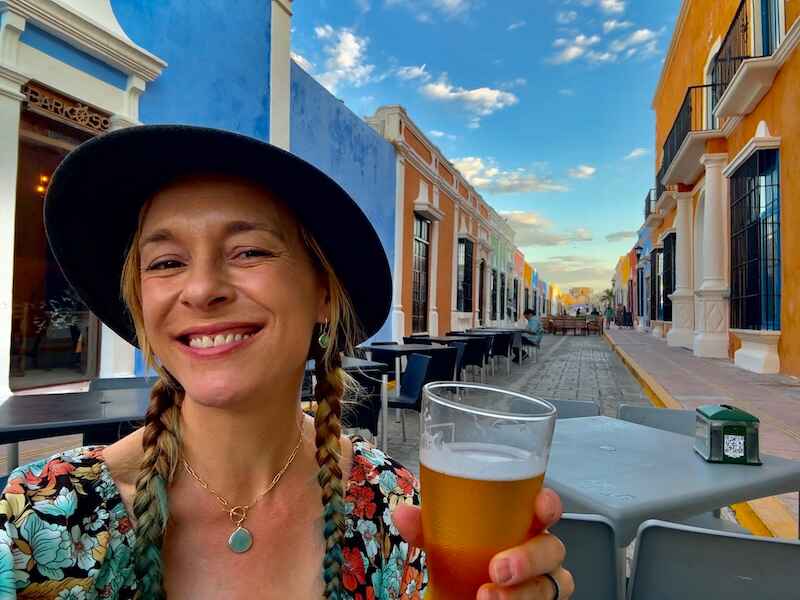
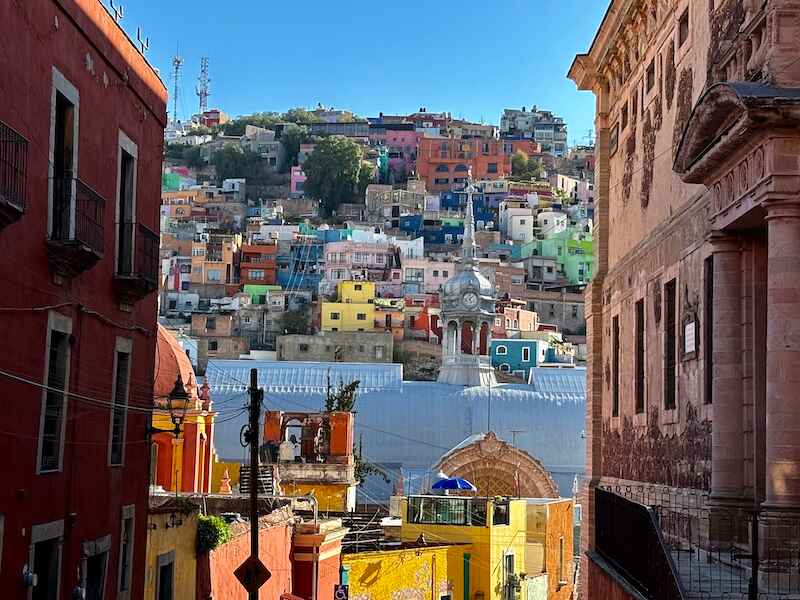
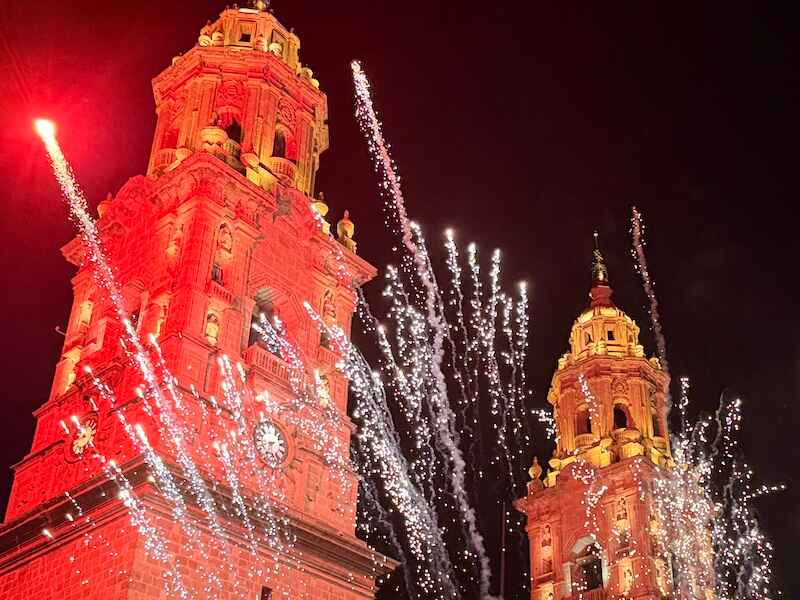
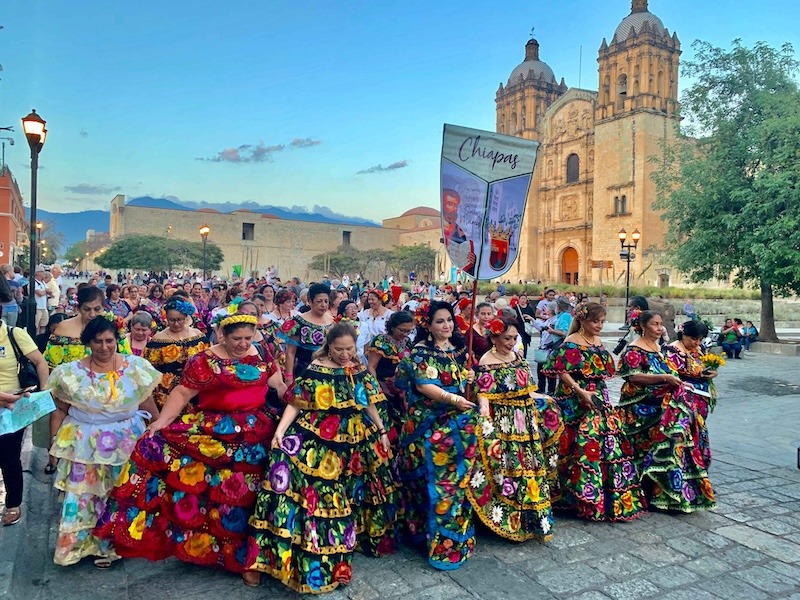
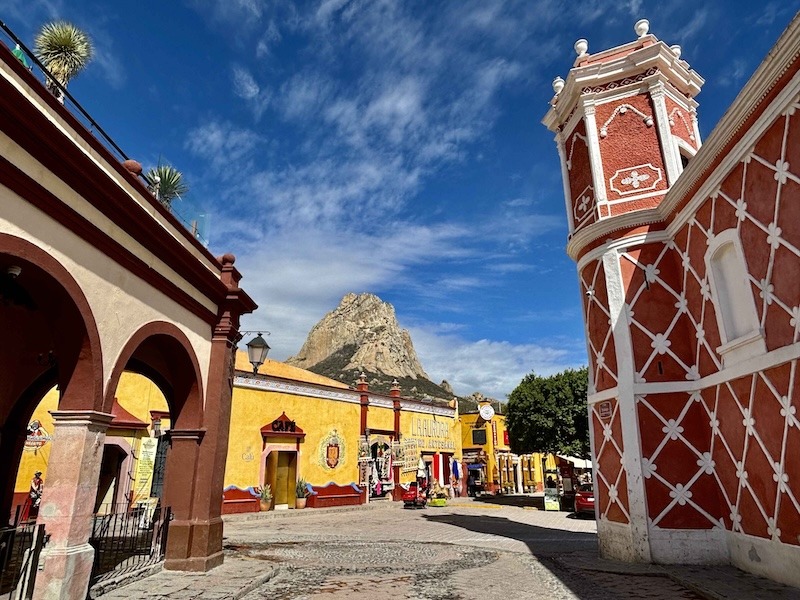
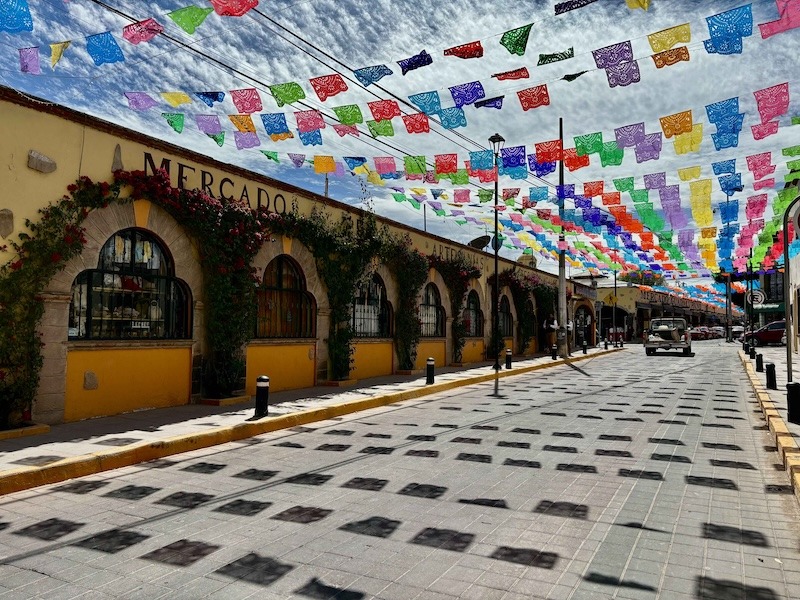
From top: Campeche, Guanajuato, Morelia, Oaxaca, Peña de Bernal, and Tequisquiapan
Smaller Cities, Towns, and Neighborhoods to Consider
- Pátzcuaro* – This lakeside town in Michoacán has everything: cuisine, crafts, nature, ruins, and tons of Purépecha history. Notably, the area is a premier destination for La Festival de Las Ánimas (the week preceding Día de Los Muertos). There are several inhabited islands and lakeside communities to explore, all famous for specific artisan crafts and dishes.
- Coyoacán (Mexico City)* – If you’re visiting the nation’s capital, consider staying in Frida Kahlo and Leon Trotsky’s old neighborhood rather than Roma or Condesa. The food, art, architecture, and vibe can’t be beat.
- Atlixco – A short bus ride from Puebla, this flower-filled, joyful town has been one of my favorite places to meet locals and take photos. The folks living here are super friendly.
- San Cristobal de las Casas* – The state of Chiapas is known for its world-class textiles and near-constant political demonstrations for indigenous rights and autonomy. More power to them! This small, temperate city is surrounded by green mountains and is a perfect base to explore nature and ruins, including one of the ancient Maya’s crown jewels: the city of Palenque.
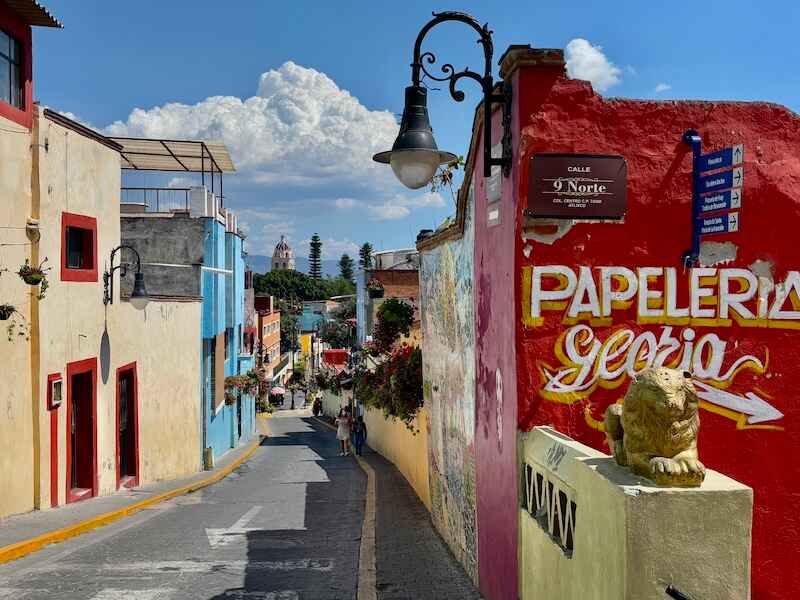
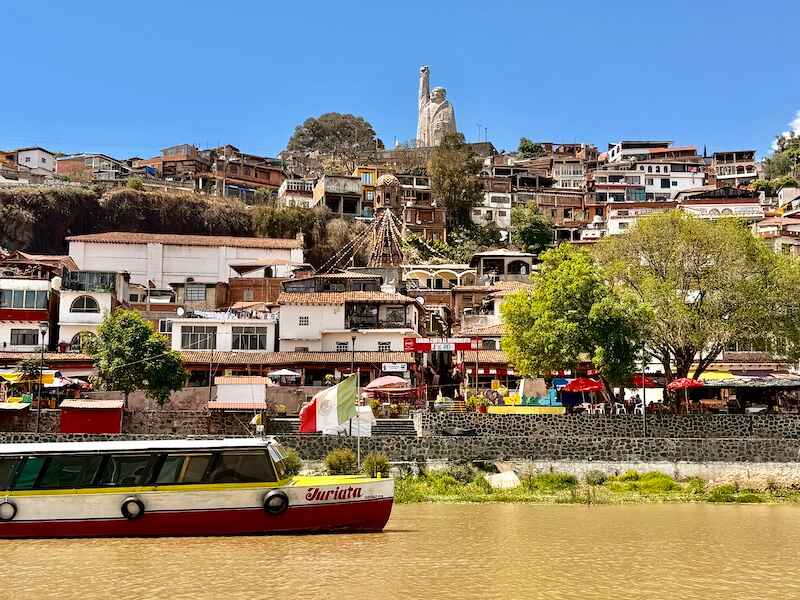
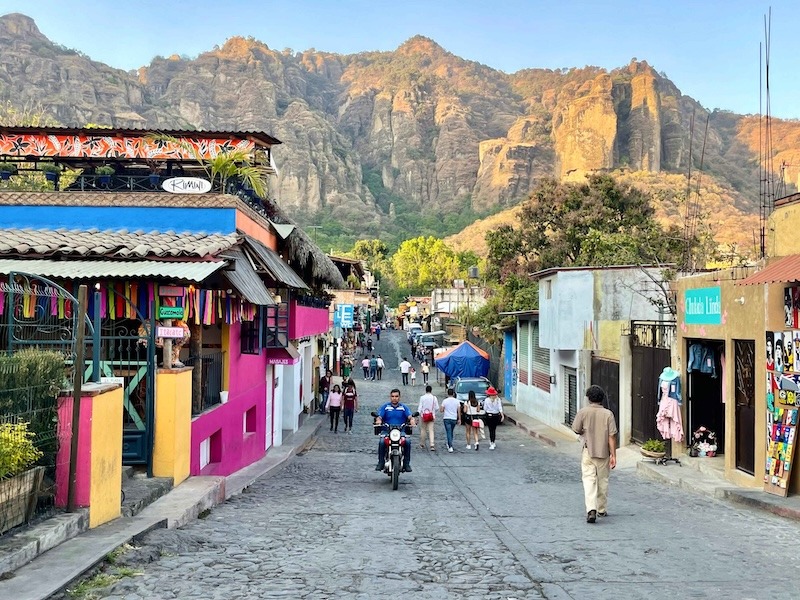
From top: Atlixco, Isla Janitzio (from Pátzcuaro), and Tepotzlán
My Favorite Beach Towns
I know there’s a lot to explore in Baja, but I’m obsessed with the Yucatán Peninsula with its Mayan ruins, vibrant colors, and tropical jungles.
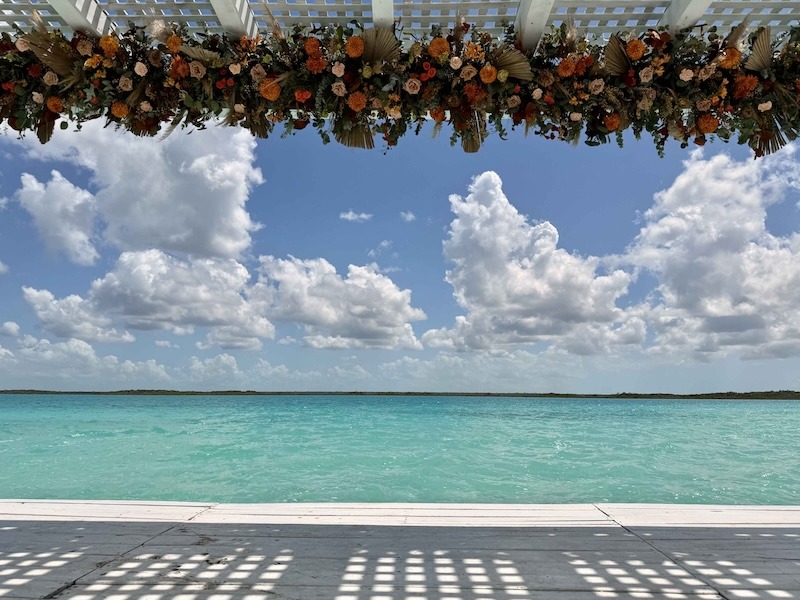
- Bacalar* – This freshwater lagoon close to the border with Belize is full of water lilies, fish, crocodiles, and stromatolites (living cyanobacteria rock structures that occur only a few spots in the world). When my airport colectivo caught its first view of the water, passengers gasped in delight. It’s one of the most beautiful places I’ve been swimming in the world.
- Isla Holbox – This increasingly popular island in northern Quintana Roo has so much going for it: fantastic restaurants, friendly locals, mangrove forests, whale sharks, and a bioluminescent bay. There are famously no paved roads here. Although it was struggling under the weight of rapid development when I visited in 2023, I’d love to return someday.
- Sisal – This is a sleepy, no-frills beach town in Yucatán with very few gringos. If you want a low-key, affordable paradise and speak some Spanish, search no further!
- El Cuyo* – Two years ago, I rented a beachfront house with some girlfriends and enjoyed an incredible trip here. It had budget-friendly luxuries without the sense that wealth had overwhelmed the local culture. The cuisine was world-class and yet it still felt up-and-coming. We saw a large group of playful manta rays and visited Las Coloradas—a stunning set of salty lagoons from seafoam green to Barbie pink.
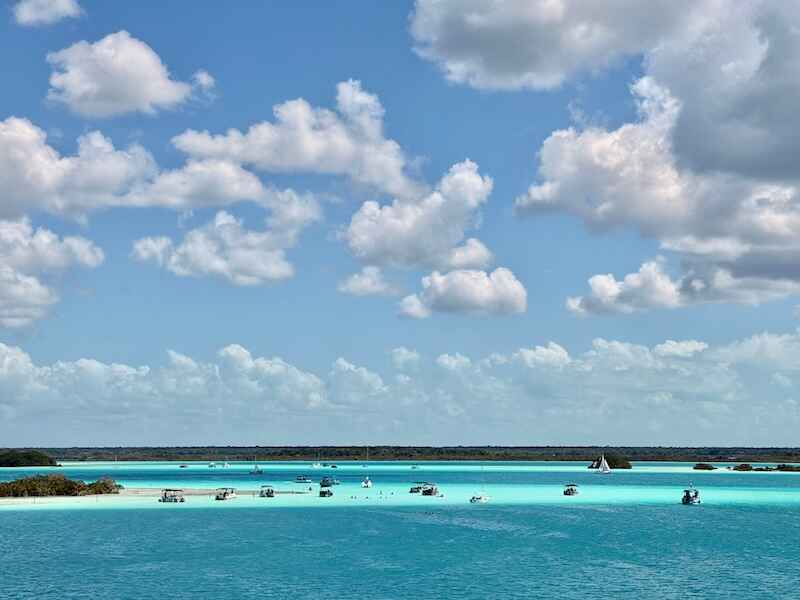
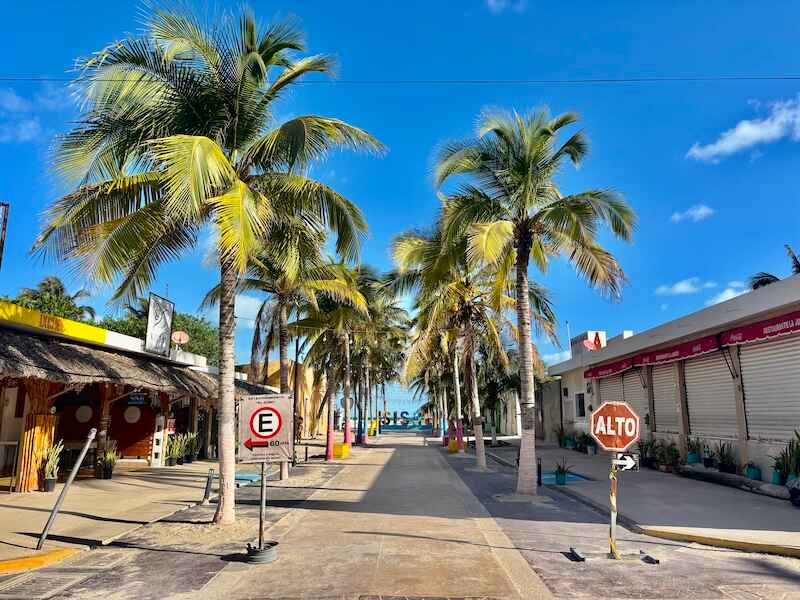
From left: Bacalar and Sisal
I adore Mexico and know you will, too. Please comment or reach out to me with any other recommendations! Thank you for being so interested.
So enticing! And such beautiful photography. I’m so happy for you in finding these more remote and ‘less touristy’ destinations. Thank you for sharing all of your knowledge of these special places you’ve experienced. Aprovecha el día!!!
Have you read, “On the Plain of Snakes,” by Paul Theroux? If you have, I’d be interested in your opinion.
Thanks for sharing, Jocelyn. What a beautiful country, what a beautiful people.